
Stress impacts people in daily life. It is a normal part of life, but too much stress can change your mood. You may notice feeling tense, easily bothered, or drained after long days. Small issues at home or work may feel heavier than they used to. Over time, this can make everyday moments feel less enjoyable.
You might also experience mood swings, irritability, or sadness during your daily routines. When stress builds, it affects how you think, act, and interact with others. This post explains what commonly leads to ongoing stress, and how it impacts daily life. It also shares when it may be helpful to reach out for support in Ventura.
Common sources of stress for people in Ventura
Stress can come from many areas for people in Ventura. Long working hours can raise daily tension. Many families feel pressure from rising costs in the county. Housing concerns add even more strain. Seasonal issues like fires and alerts can also raise worry across the community.
Early signs stress is changing your mood
In the early stages, stress can make you feel tense. You may have worried thoughts and a heavy feeling about the day ahead. Many people lose patience and react fiercely over small things. You may stay on edge even when nothing major is happening. For others, stress brings a low mood instead.
You may feel sadness that sticks around and doesn’t seem to go away. It might make you feel numb, distant, or cut off from daily life. You may also feel guilt about how you handle things and think you are not doing well enough.
Where stress and mood changes appear in your daily life
Stress can affect many parts of your daily routine. It can change how you think and feel. It also affects how your body reacts and what you do.
Mental and emotional changes
Stress can reduce your ability to focus. You may lose track of tasks or forget things you meant to do. It can make your mind drift, and the day can feel foggy. Schoolwork or job duties can take longer when your brain feels tired.
It can also change the way you think. You may replay talks in your head or doubt your choices. Stress leads to frequent mood swings. Small problems can make you angry or annoyed when you have low patience.
At times, you may feel numb or pulled away from the people around. You may see yourself or the future in a negative way, and these thoughts can rise when stress keeps going.
Physical changes and symptoms
Stress triggers your intention to fight and releases stress hormones like cortisol. This response tenses up your body. You might get tension headaches or feel jaw pain from clenching your teeth.
People hold stress in their muscles. This can cause neck tension and achy shoulders. Some feel chest tightness or notice a racing heart when stress hits. Stomach problems are also common when stress levels are high. Some people get an upset stomach and cramps.
They may also have changes in bowel habits such as diarrhea or constipation. Stress hormones can affect your digestion and even cause irritable bowel flare-ups. You may notice changes in your breathing or energy level. Some people experience shortness of breath or lightheaded feelings under stress. Chronic stress can weaken your immune system as well.
Changes in Behavior
Stress can change how you behave at work or school. Some people find it tough to focus in meetings. They may zone out or miss important details. You may work longer hours because you feel behind. You might also call in sick to avoid a stressful day. Stress often causes people to pull away from others. It can feel easier to stay at home.
You might spend more time alone in your room. Hobbies you used to enjoy might no longer interest you under stress. Some individuals develop nervous habits or unhealthy coping behaviors. Many try to numb out stress by doom scrolling on the phone. Some binge-watch TV late into the night instead of sleeping.
Others might reach for quick fixes to relax such as eating for comfort or turning to extra caffeine or alcohol. High stress can also lead to more conflict at home. This tension can strain your relationships. Loved ones might feel like they are not important to you.

When stress and mood changes may be a mental health condition
Sometimes stress and mood swings go beyond normal levels and become a concern. Ongoing stress can increase the chance of developing an anxiety disorder or depression. Frequent mood changes might point to certain conditions. For example, they can convert into bipolar disorder or trauma-related disorders.
Anxiety and ongoing stress
Feeling anxious all the time can signal more than everyday stress. Generalized anxiety involves constant worry and nervous tension about many things. You might have panic feelings, such as a racing heart or shaky hands.
This can happen even when there is no actual threat. It can make you worry about mistakes or feel tense during normal activities.
Depression and low mood
Chronic stress can also lead to depression. You might feel a sense of hopelessness or emptiness that lasts for weeks.
Depression can cause low mood or low energy. It may become hard to enjoy anything at all. Stress can make depression symptoms worse by adding guilt or feelings of worthlessness.
Bipolar disorder and mood shifts
Bipolar disorder causes extreme mood swings beyond normal stress levels. A person might have mood swings from high-energy manic episodes to depressive episodes. Stress can sometimes trigger or worsen these mood changes. Unlike ordinary stress, bipolar mood shifts require medical treatment.
PTSD and trauma reactions
For some, stress and mood changes stem from past trauma. Post-traumatic stress disorder (PTSD) can occur after events like violence, accidents, or disasters. People with PTSD may relive the trauma through nightmares or intrusive memories. A smell or sound can act as a trauma reminder and produce a wave of panic or anger.
OCD and repetitive thoughts and rituals
For some people, stress brings strong repeat habits. OCD shows up as nonstop thoughts and a push to do certain steps again and again. A person might check locks many times or repeat a ritual to feel calm. The relief does not last, and the habits can begin to take over normal life.
Substance use as a way to cope
When stress level increases day after day, some people turn to alcohol or drugs for comfort. A drink or cannabis may ease tension for a moment, but the stress returns and problems add up.
Over time, this can develop into addiction. It may also lead to a dual diagnosis. Supports a person with both substance issues and a mental health concern.
When to seek mental health treatment in Ventura
You may ask yourself when stress becomes a concern. If the stress continues for days or weeks and affects your routine, it’s worth getting help. When stress stops you from doing everyday activities, it’s time to talk to a professional.
Also seek help if you feel unable to control stress on your own. Warning signs include using unhealthy habits like substance use. Loved ones might notice major changes in your behavior or mood. That is also a sign you should seek help.
Types of mental health treatment available in Ventura
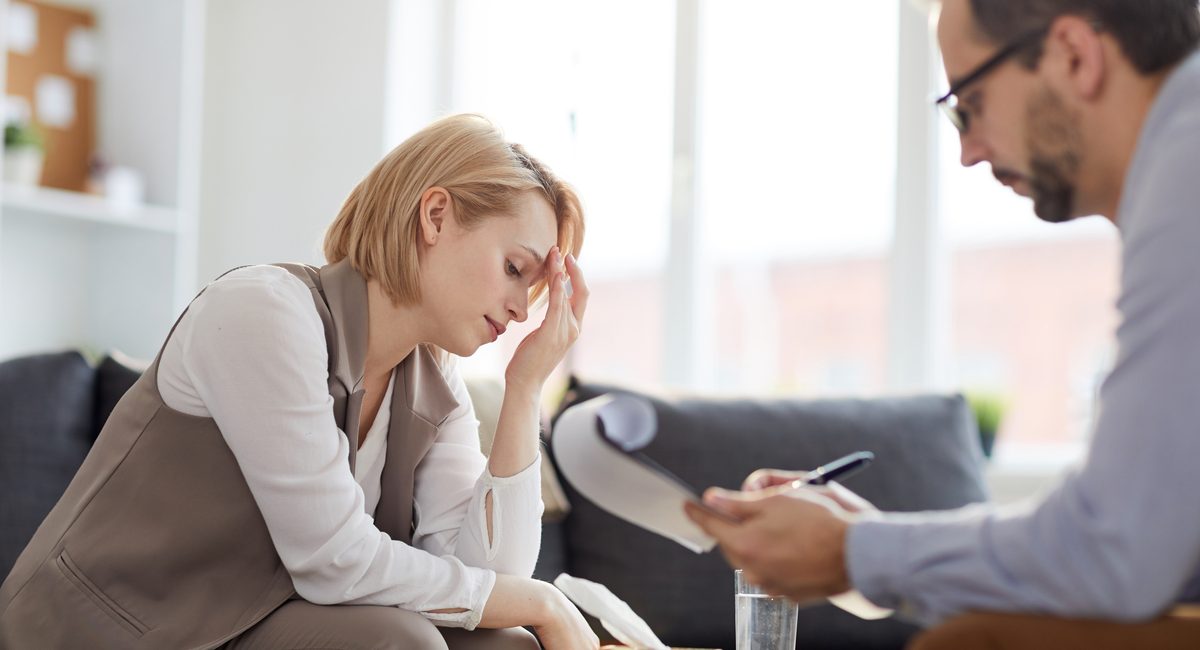
You can go for many types of mental health treatment in Ventura. The right type of care depends on how severe your symptoms are. It also depends on what best fits your needs. These are some of the common treatment options for stress and moon changes.
- Outpatient therapy: Meeting with a counselor weekly to talk and learn coping skills.
- Intensive outpatient program (IOP): Therapy sessions multiple times a week while you live at home.
- Partial hospitalization program (PHP): A daytime treatment program with medical support.
- Residential treatment: Living full-time at a treatment center for intensive care in a safe environment.
- Support groups: Local group meetings where you can share experiences and learn from others.
In some cases, a doctor may suggest medication to help with your symptoms. A psychiatrist can prescribe medicine for anxiety or mood issues.
Stone Healing mental health treatment in Ventura
Stone Healing offers residential mental health care in Ventura for adults. Our team offers structured care, evidence-based therapy, and holistic support in a private environment.
- A Supportive Residential Environment: Only 6 clients stay with us at one time. This small approach allows close supervision and personal attention. You receive care from licensed therapists and a psychiatrist throughout your stay.
- Evidence-Based Therapies: We use cognitive behavioral therapy (CBT) and dialectical behavior therapy (DBT). These therapies help you manage stress, anxiety, and mood changes. You learn coping skills and can apply in daily life.
- Holistic Wellness Support: Holistic care supports medical treatment. You may take part in yoga, mindfulness practice, and breathwork. These activities help calm the body and improve emotional balance.
- Medical and Nutritional Oversight: Our psychiatrist provides medication management when needed. Nutrition guidance supports physical and emotional wellness. Both services help strengthen overall stability during treatment.
- Daily Skills Practice and Routine Building: Your day includes therapy sessions, wellness activities, and structured routines. You practice new skills that improve confidence and emotional control. These routines prepare you to manage stress more effectively after discharge.
- Personalized Care in a Small Program: Each client receives focused attention due to our limited group size.This allows deeper therapeutic work and faster progress. Many large facilities cannot offer this level of individualized care.
Our team works to help you feel grounded, supported, and prepared for the next stage of your life. When treatment is complete, you leave with skills to manage stress, regulate mood swings, and stay organized in daily routines.
Next steps for people in Ventura
You can start managing stress with small habits. Try slow breathing or take a short walk to relax your mind. Share your feelings with someone you trust. Write your thoughts to relax your mind. Add healthy habits to your daily routine. For example, follow a steady sleep routine and reduce caffeine intake. These habits can lift your mood and release stress.
- Breathing Exercises and light movement: Practice breathing exercises. Slow, deep breaths can help settle your body when stress rises. A short walk outside can also relax your mind. Even a few minutes of calm movement can help you release tension.
- Share or write what you feel: Talking with someone you trust can help you manage stress. It gives you a safe place to let out worry or tension. Writing in a journal or maintaining a diary can also help. Writing feelings on paper can make them easier to manage and understand.
- Support your body with healthy habits: Healthy habits give your mind a stronger foundation. Try going to bed at the same time each night, eating regular meals, and limiting caffeine if it makes you tense. A little activity on a daily basis can also help.
- Add calm or enjoyable moments: Keep a few minutes each day for something that brings comfort. You might listen to music, spend time outside, stretch, or enjoy a hobby. These small breaks give your mind space to recover and can make your day more balanced.
- Seek support from Stone Healing: If stress continues to affect your life, reaching out for help can make a big difference. Our team at Stone Healing offers counseling, coping skills, and support that fits your needs. You do not have to struggle alone. Call or text at (805) 393-5089 to take your next step toward feeling better.
Small changes and the right help can make life feel lighter. You deserve support, and you are not alone in this process.
Conclusion
Stress and mood changes can affect daily life in Ventura. It can change the way you think, act, and make choices each day. When you notice these changes, you can start taking small actions that support your health. Watching for early signs helps you analyze what affects your mood and drains your energy.
Reaching out for help can make life easier to manage. Support from others can make it easier to manage tough days. You do not have to carry stress alone. Many people improve once they learn helpful skills and get proper medical care. This way you can also lead a balanced and stress free life.