
Sober Living
Sober Living in Ventura County
In the journey towards sobriety, finding a supportive and structured environment is crucial. Arrive Recovery Center’s sober living homes in Ventura County offer a sanctuary for those seeking recovery, bridging the gap between inpatient treatment programs and independent living.
Lack of stable, drug and alcohol free living spaces can be an issue for many in early recovery. After finishing an inpatient program or attempting to get sober through detox, maintaining sobriety can be difficult if you’re returning to a home with drugs or alcohol, or simply living alone. Sober living environments have become a vital aspect in the continuum of care for many individuals recovering from addiction. These environments, often referred to as sober living homes, transitional living homes operate on the fundamental belief that recovery is a holistic and communal journey. The aim is to provide a stable, structured, and substance-free setting conducive to the healing and growth of its residents.
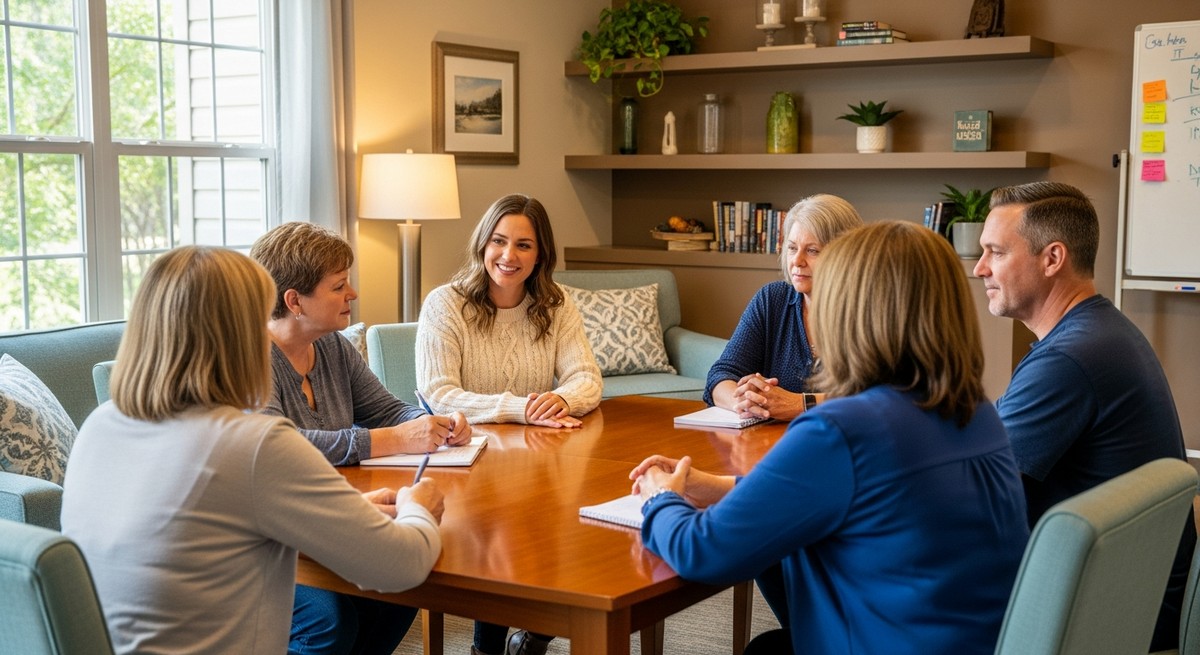

How Sober Living Works
Sober living homes typically operate with a set of rules that all residents agree to follow. These rules might include curfews, chores, mandatory group meetings, and participation in individual therapy or support groups. The purpose of these guidelines is not to restrict freedom but to create a disciplined environment where recovery can flourish.
- Stability and Structure: Daily routines and house rules help residents regain control over their lives and become disciplined, instilling habits that foster recovery and personal development.
- Substance-Free Environment: A zero-tolerance policy for drugs and alcohol is strictly enforced to ensure a safe and supportive space for everyone’s recovery process.
- Support System: Living among peers who are undergoing similar recovery journeys fosters a sense of community and belonging. This mutual support is crucial for emotional and psychological well-being.
- Accountability: Regular house meetings and peer accountability, as well as drug and alcohol testing, keep residents accountable to their recovery goals. This accountability framework is pivotal in building trust and integrity within the community.
- Therapeutic Programs: Access to counseling sessions, group therapy, and recovery workshops provides residents with the tools and resources necessary for healing and personal growth. At Arrive Rcovery Center, residents have access to our continuum of outpatient treatment programs to support long-term recovery.
Benefits of Sober Living
Sober living offers myriad benefits, far beyond the avoidance of substances. It’s about rebuilding lives, mending relationships, and finding a new purpose. Here are some of the key benefits:
A Safe and Supportive Environment
One of the primary advantages of sober living is the safe haven it provides from the triggers and temptations of the outside world. In this secure environment, individuals can focus entirely on their recovery.
Building a Recovery Community
The friendships and connections made in sober living often last a lifetime. This community becomes a critical support network during challenging times, ensuring no one has to face the journey alone.
Independence and Responsibility
Residents learn to take responsibility for their actions, contributing to household duties, and managing their recovery. This independence is crucial for reintegration into society.
Transitioning to Regular Life
Sober living acts as a bridge between intensive treatment and returning to everyday life. It offers a gradual adjustment period where individuals can apply coping strategies and solidify their sobriety before facing the full breadth of societal pressures.
Enhanced Life Skills
Many sober living homes offer programs to enhance life skills, including financial management, job readiness, and relationship building. These skills are essential for a successful and fulfilling life post-recovery.
Relapse Prevention
With structured support and accountability, the risk of relapse significantly decreases. Residents learn to identify and manage triggers, reducing the likelihood of falling back into old patterns.

Sober Living Following Residential Treatment
Sober living provides a less restrictive setting than residential treatment while maintaining a level of structure and support. This balance helps individuals gradually adapt to everyday life responsibilities in a controlled, substance-free environment.
The transition period can be vulnerable. Sober living homes offer ongoing access to group therapy, counseling, and peer support to navigate this phase effectively.
Residents have the opportunity to rebuild their lives, from securing employment to improving interpersonal relationships, in a setting that supports sobriety.
Why It’s a Good Option
- Eases Transition: It bridges the gap between the highly structured environment of inpatient treatment and the freedoms of the outside world, reducing the risk of relapse.
- Maintains Continuity of Care: Continuous support and therapeutic interventions ensure the principles of recovery are reinforced.
- Builds a Sober Network: Establishing connections with others in recovery provides a safety net of individuals who understand the challenges and triumphs of the journey.

Integrating Sober Living and Outpatient Treatment
For individuals whose circumstances may not require the intensity of residential treatment, or for those who have previously completed such programs, combining sober living with outpatient treatment offers a robust support system. This approach allows for:
- Flexibility: Residents can maintain their daily responsibilities, such as work or education, while participating in scheduled therapy sessions and support groups.
- Integrated Support: The combination of structured sober living and outpatient services addresses both the environmental and therapeutic needs of individuals, providing a holistic approach to recovery.
- Community Connection: Living in a sober community while attending outpatient treatment reinforces recovery principles daily and mitigates the sense of isolation that can accompany outpatient treatment alone.
Benefits of This Approach
- Suitable for Various Needs: It’s particularly beneficial for those with less severe addiction issues or individuals seeking a “step-down” level of care after intensive treatment.
- Enhances Recovery Outcomes: The dual layer of support maximizes the potential for long-term sobriety by addressing multiple aspects of recovery simultaneously.

How Does Sober Living Support Long-Term Recovery?
The efficacy of sober living as a component of recovery is generally well-supported by research. Studies indicate that residents of sober living homes are likely to experience a number of positive outcomes including lower rates of relapse, improved employment outcomes, and better overall mental health. Key aspects of how sober living supports recovery include:
Regular drug screenings and community standards encourage residents to stay committed to their recovery goals.
Living among peers who share similar experiences and goals fosters a sense of belonging and mutual support.
The routines and rules of sober living homes help residents develop healthy habits and coping mechanisms.
What Research Says
- Sustained Sobriety: Individuals in sober living environments tend to maintain longer periods of sobriety compared to those who do not use such facilities.
- Improved Quality of Life: Participation in sober living has been linked to higher levels of employment and better mental and physical health outcomes.
Average Length of Stay in Ventura County Sober Homes
The duration of stay in sober living homes can vary widely based on individual needs and progress. While sober living homes have a similar structure to halfway houses, one benefits of sober living environments are that there typically is not a time constraint on how long residents are allowed to stay.
For individuals and their loved ones, planning for a stay in sober living should involve open discussions with program staff to set realistic expectations and goals. Ultimately, the priority is to ensure a stable foundation for long-term recovery, with the length of stay tailored to support that outcome effectively.
If you or a loved one has questions about next steps in your recovery journey, contact Arrive Recovery Center today. Our team is standing by to answer your questions and your call is completely confidential.
At Arrive Recovery in Thousand Oaks, the average length of stay in sober living ranges from:
- Short-Term: Some residents may stay for as little as 30 to 90 days as they transition from an inpatient program or seek a brief period of added support.
- Long-Term: Others may find value in staying for 6 months to a year or longer, especially if they benefit from the extended support and structure.
What to Expect and Plan For
The appropriate length of stay should be based on personal recovery goals, progress, and readiness for the next steps.
While some may enter sober living with a set timeframe in mind, it’s essential to remain open to adjustments based on ongoing assessments of recovery needs.

Ventura County Sober Living Experience
- Natural Beauty for Healing: Ventura County, with its coastal serenity and lush landscapes, offers a peaceful setting that nurtures recovery. The slower pace and natural surroundings promote healing and self-reflection.
- Community Support: Home to diverse cities like Ventura, Oxnard, Thousand Oaks, Simi Valley, Camarillo, Moorpark, Santa Paula, Fillmore, Port Hueneme, Ojai, and Oak Park, the county provides a welcoming community for individuals seeking sobriety. This scenic and supportive environment encourages personal growth and lasting recovery.

Why Choose Arrive Recovery Center Sober Living and Outpatient Rehab
Choosing Arrive Recovery Center in Thousand Oaks, CA means opting for a comprehensive recovery journey supported by a professional team, within a community that cares. Ventura County’s conducive environment and Arrive’s integrated treatment model create the perfect blend for building a sober, fulfilling life.
Arrive Recovery Center specializes in outpatient treatment options, including our partial hospitalization program (PHP) and intensive outpatient program (IOP) allowing for a balanced approach to recovery that fits your lifestyle.
Our holistic approach to treatment, combined with a strong community support network, sets the foundation for long-term sobriety in a supportive and restorative setting.
Located conveniently just outside Los Angeles, our addiction treatment center is easily accessible to residents in surrounding communities like Malibu, Calabasas, Westlake Village, Simi Valley, Moorpark, Newbury Park, Camarillo, Agoura Hills, Ventura, and the broader Ventura County.
Ready to take the first step towards a brighter future? Contact Arrive Recovery Center today and join a community dedicated to your sobriety and well-being.